
Categories
Communities, Homebuyer Updates, Market InsightsPublished September 28, 2026
Mortgage Rates Jumped: What Buyers & Sellers Should Know | September 2026


Mortgage Rates Jumped. Here’s Why Patient Buyers and Strategic Sellers Still Have Options
Weekly Market Spotlight | September 28, 2026
If you’ve been watching mortgage rates lately, last week probably got your attention.
The average top-tier 30-year fixed mortgage rate finished Friday at 7.43%, according to Mortgage News Daily. That was more than half a percentage point higher than two weeks earlier—an unusually fast move for mortgage rates.
For buyers, a rate increase can make the monthly-payment math feel uncomfortable. For sellers, it can raise concerns about whether buyers will continue shopping.
But a changing market doesn’t necessarily mean buyers and sellers should retreat.
It means strategy matters more.
And the latest housing data suggests there may be opportunities on both sides of the transaction.
📈 What Happened to Mortgage Rates?
Mortgage News Daily reported the average 30-year fixed rate at 7.43% on September 25, compared with 7.20% on September 18.
The rate movement was especially sharp late in the week. Mortgage News Daily reported that mortgage rates had risen by more than half a point over a two-week period.
One important note when comparing mortgage-rate headlines: different surveys use different methodologies. That’s why it’s better to focus on the direction and impact of rates rather than assuming every borrower will receive the rate shown in a national headline.
🏡 Buyers Responded — But They Haven’t Disappeared
Higher rates affected demand.
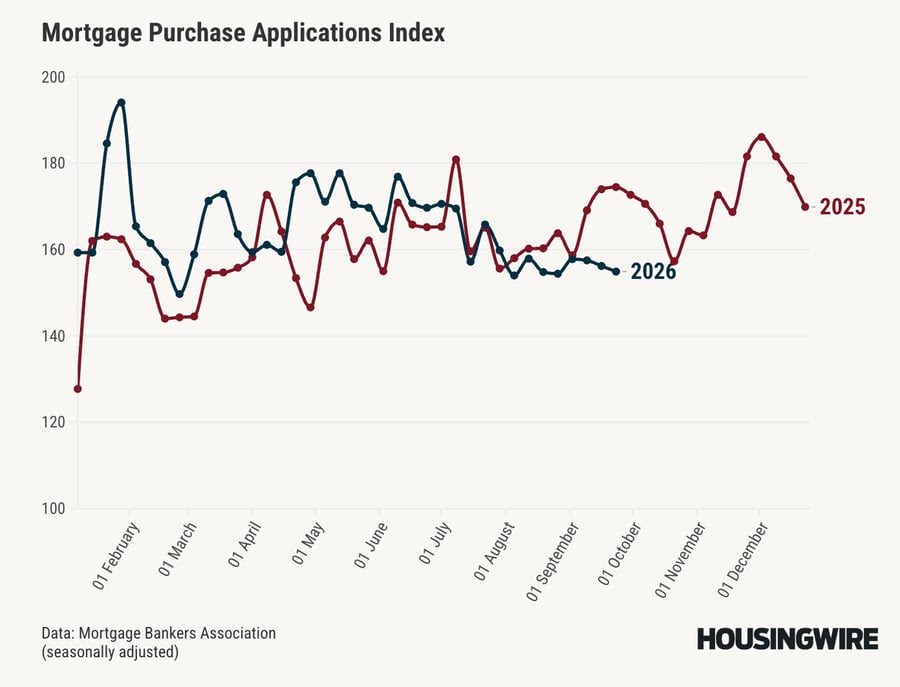
This week’s Market Spotlight reported a purchase application index of 155, down 0.8% from the prior week and 11.4% from a year earlier.
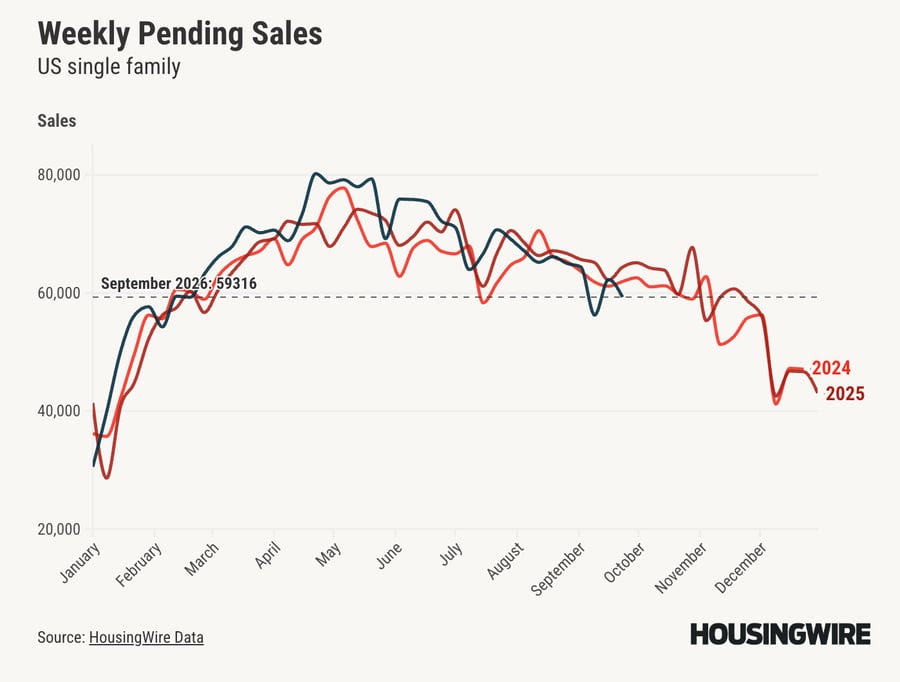
Weekly pending home sales were 59,316, down 4.8% week over week and 9% year over year.
That sounds negative until you consider what it can mean for someone who is still financially prepared to purchase.
Less competition can create negotiating room.
When some buyers step away, remaining buyers may encounter homes that have been on the market longer, sellers willing to discuss concessions, fewer multiple-offer situations in some segments, and opportunities to negotiate around the monthly payment, not simply the purchase price.
That last point is especially important right now.
📊 Inventory Is Giving Buyers More Choices
While demand softened, available inventory continued moving higher.
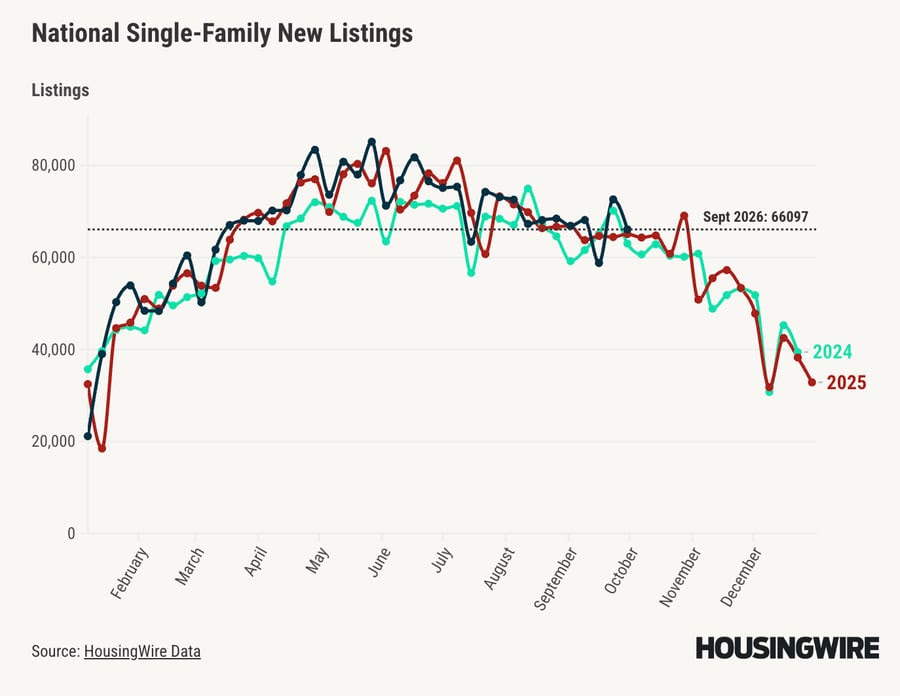
New Listings
66,907
↓ 7.9% weekly | ↑ 2.8% yearly
Active Inventory
895,398
↑ 0.6% weekly | ↑ 3.8% yearly
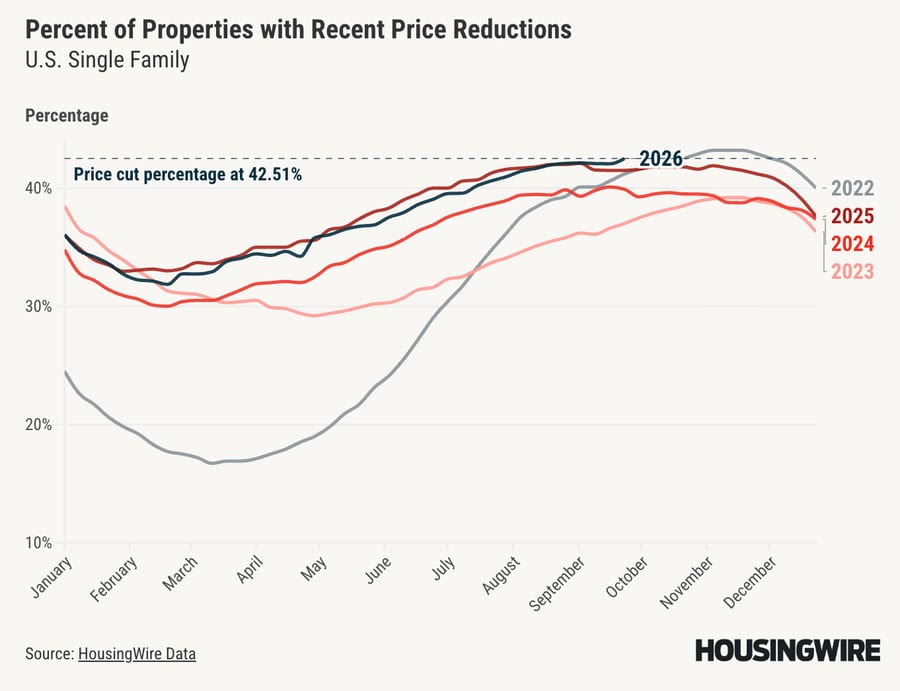
Price Reductions
42.5%
↑ 1.0% weekly | ↑ 2.4% yearly
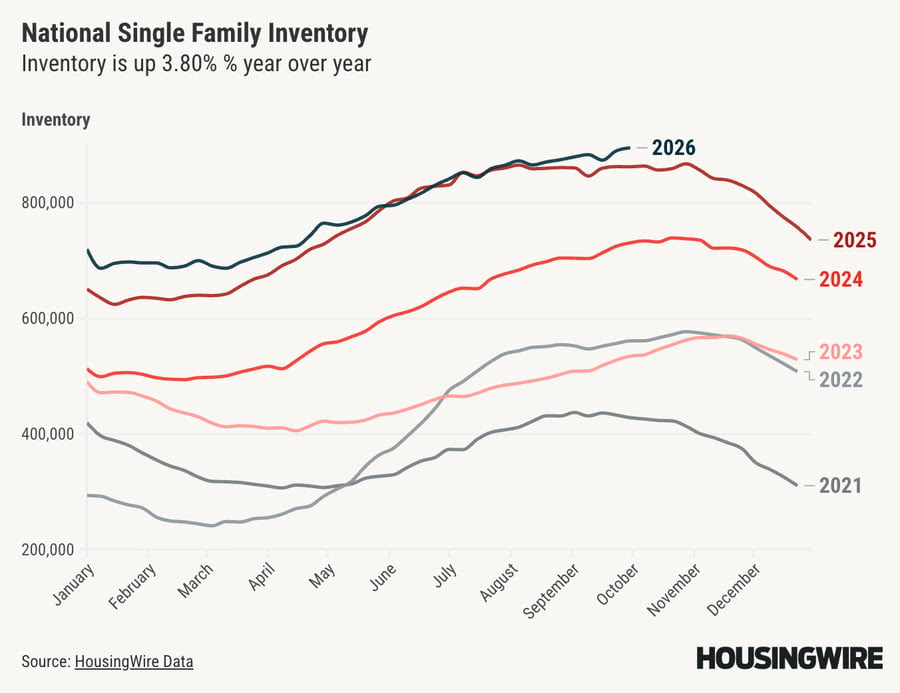
That combination—more inventory, fewer active buyers and more price reductions—can shift negotiating leverage, although conditions vary significantly by neighborhood, property type and price range.
💡 Buyers: Shop the Payment, Not Just the Rate
It’s understandable to look at a 7%+ mortgage rate and immediately think, “Maybe I should wait.”
But waiting has variables of its own.
Rates could move lower. They could remain elevated. Home prices could change. Inventory could tighten. And increased buyer activity could return if rates eventually improve.
Instead of trying to perfectly time all of those variables, buyers can start with a much more useful question:
“What monthly payment am I comfortable with?”
Once you know that number, your real estate agent and lender can work backward to evaluate purchase price, down payment, loan programs, seller credits and potential rate-buydown strategies.
🔑 Could Seller Credits Work Better Than Another Price Reduction?
This may be one of the most interesting conversations in today’s market.
The Market Spotlight highlights the potential use of a seller-paid temporary 3-2-1 interest-rate buydown rather than automatically reducing a home’s asking price.

In a typical 3-2-1 structure, funds are used to reduce the borrower’s effective payment during the first three years—generally reflecting a rate 3 percentage points below the note rate in year one, 2 points below in year two and 1 point below in year three—before payments return to those based on the permanent note rate.
Fannie Mae permits qualifying temporary interest-rate buydowns on certain fixed-rate mortgages for principal residences and second homes, subject to program requirements. The borrower still qualifies under applicable underwriting requirements, and interested-party contribution limits can apply.
Important: A temporary buydown isn’t the right solution for every transaction. Buyers should have their lender calculate the actual numbers and confirm eligibility before deciding whether a temporary buydown, closing-cost credit or price adjustment provides the greatest benefit.
🏷️ Sellers: Price Matters, but Your Concession Strategy May Matter Too
The fact that 42.5% of listings in this week’s national data had experienced a recent price reduction deserves sellers’ attention.
It doesn’t mean every seller should immediately reduce their price.
Instead, sellers should be asking:
- How does our home compare with the current competition?
- How long have comparable properties been sitting?
- What feedback are buyers giving us?
- Would a price adjustment materially improve our position?
- Could an appropriate seller concession help a qualified buyer more than another price reduction?
A seller considering a $10,000 or $20,000 adjustment, for example, should evaluate both sides of the equation before deciding how those dollars are best used.
The goal isn’t simply to offer a concession. The goal is to make the property more compelling to the buyers currently in the market.
📍 Remember: Real Estate Is Local
National housing data gives us important context, but it doesn’t tell you exactly what is happening with a waterfront property at Lake of the Ozarks, a home in Jefferson City, a subdivision in Columbia or a property near Fort Leonard Wood.
Different price points—and sometimes different neighborhoods within the same city—can behave very differently.
That’s why national headlines should be the beginning of the conversation, not the end.
If you’re considering buying, we can help identify properties where longer days on market, price changes or seller motivation may create negotiating opportunities.
If you’re thinking about selling, we can look at your home’s specific competition and determine whether pricing, presentation, marketing or a strategic concession could put you in a stronger position.
The Bottom Line
Mortgage rates moved sharply higher last week, and buyers reacted. But the market didn’t stop.
Instead, we’re seeing a market in which patience, preparation and negotiation matter.
Buyers have more inventory to evaluate and may find negotiating opportunities that weren’t available in a more competitive environment. Sellers have to pay closer attention to pricing and the buyer’s monthly-payment equation.
Don’t make a major real estate decision based on one mortgage-rate headline. Run the numbers. Study the local market. Then build a strategy around your actual goals.
Sources & References
Mortgage News Daily — Current Mortgage Rates
Mortgage Bankers Association — Research & Economics
Fannie Mae — Temporary Interest Rate Buydowns
Housing inventory, pending sales and price-reduction data: Altos Research / HousingWire data as presented in the September 28, 2026 Market Spotlight.
National market statistics are provided for general informational purposes. Mortgage rates and loan terms vary by borrower, lender, loan program and market conditions. Real estate conditions vary by location. Consult the appropriate real estate, lending, tax or financial professional regarding your individual circumstances.
Estes Group Powered by PLACE
Keller Williams Realty | 573-348-9898 | each office individually owned & operated.

Jamie Estes
Operating Partner | Estes Group Powered by Place | Keller Williams LO Realty
or another way